
If you're planning to buy a home in Ontario — whether it’s in Toronto, Brampton, Mississauga, or anywhere in the GTA — your credit score can directly affect:
Whether you get approved
How much you qualify for
What interest rate you receive
How much you pay monthly
Many buyers focus only on income and down payment. But your credit score is often the deciding factor.
Let’s break it down clearly.
1️⃣ Why Credit Score Matters for Mortgage Approval
In Canada, lenders use your Beacon Score (credit score) to assess risk.
Typical Mortgage Credit Score Requirements
760+ → Excellent (best rates & strong approval)
720–759 → Very good (competitive rates)
680–719 → Good (most A lenders approve)
600–679 → Limited options (higher rates)
Below 600 → Very difficult with traditional banks
Most major lenders prefer 680+ for insured mortgages.
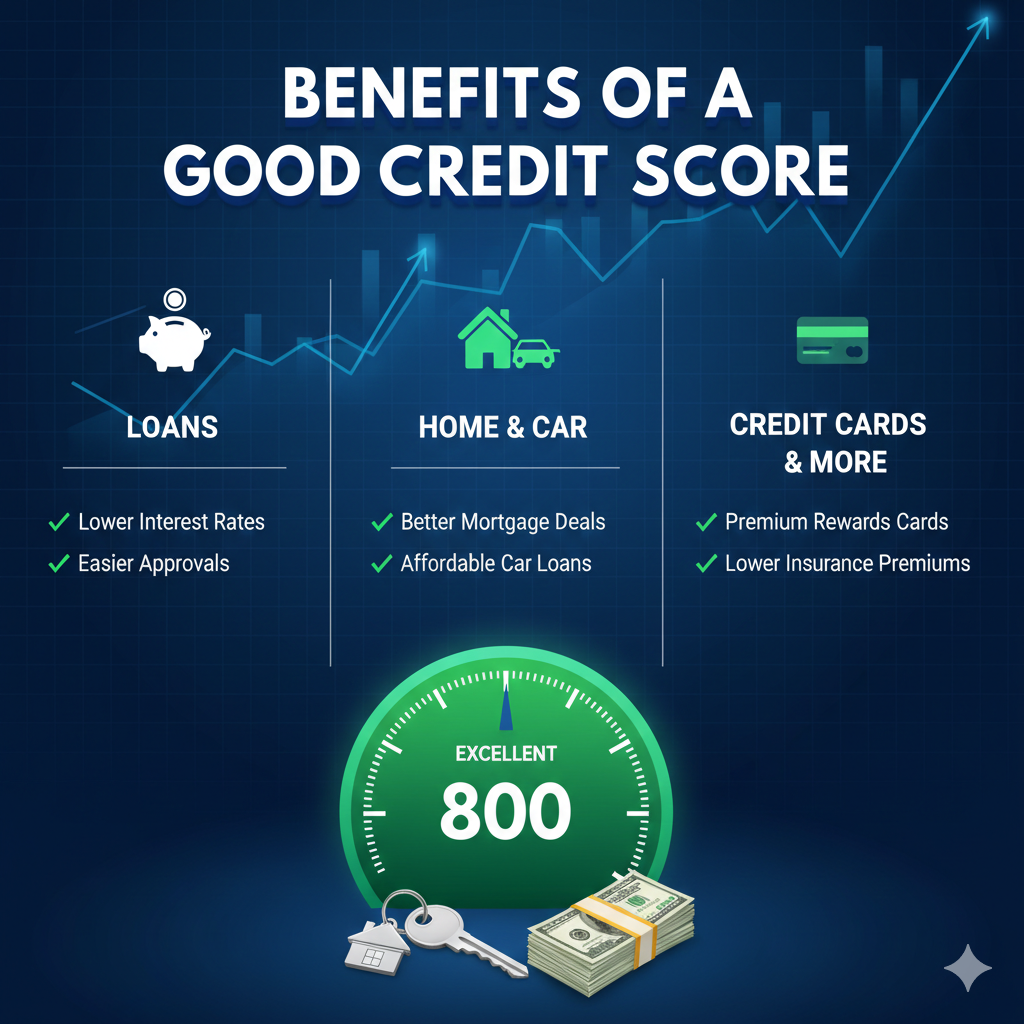
What a Higher Credit Score Actually Does
✔ Lower Interest Rate
Even a 0.5% rate difference on an $800,000 mortgage can cost tens of thousands over time.
✔ Higher Approval Confidence
Lenders are more comfortable approving borderline files when credit is strong.
✔ Better Refinancing Options
Strong credit makes future refinancing easier.
2️⃣ What Impacts Your Credit Score in Canada
Your score is mainly based on:
1. Payment History (Most Important)
Late payments hurt your score immediately.
2. Credit Utilization
Using more than 30–35% of your credit limit lowers your score.
Example:
If your credit limit is $10,000, try to keep balance below $3,000.
3. Length of Credit History
Older accounts help your score.
4. Credit Mix
Having a mix of credit cards, car loans, and lines of credit helps.
5. Hard Inquiries
Too many credit checks in a short period can reduce your score.

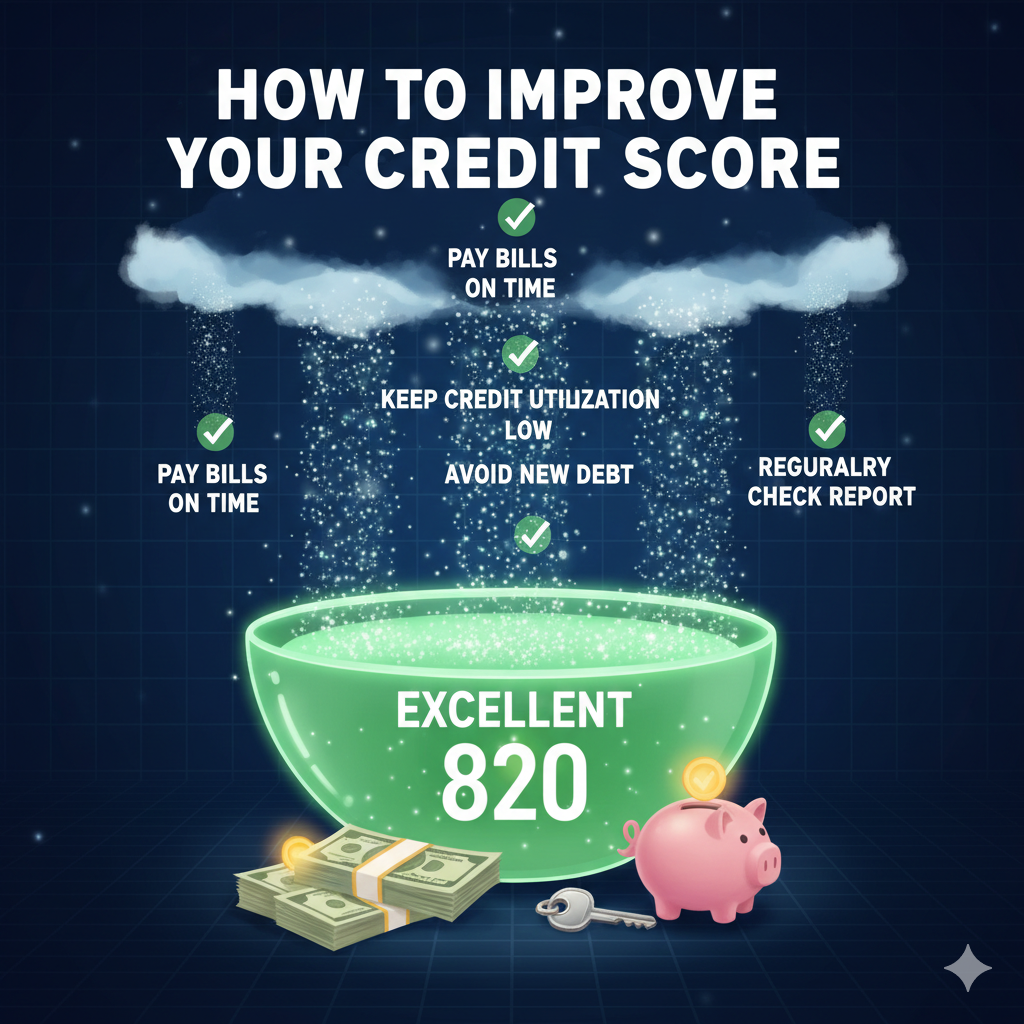
3️⃣ How to Improve Your Credit Score (Before Buying)
If you’re planning to buy in 6–12 months, here’s what to focus on:
✅ 1. Never Miss a Payment
Set auto-pay minimum payments.
✅ 2. Lower Your Credit Utilization
Pay down credit cards below 30%.
✅ 3. Don’t Close Old Cards
Older accounts increase average credit age.
✅ 4. Avoid New Debt
Don’t finance cars or open new loans before mortgage approval.
✅ 5. Dispute Errors
Check your credit report through:
Equifax Canada
TransUnion Canada
Fix incorrect late payments or balances.
4️⃣ What Credit Score Do You Need for Different Home Prices?
While income and down payment matter, here’s a general idea:
| Home Price | Recommended Credit Score |
|---|---|
| $500K | 680+ |
| $750K | 700+ |
| $1M | 720+ |
| $1.5M | 740+ preferred |
Higher price = lenders want stronger financial profile.
5️⃣ Best Credit Cards in Canada to Help Build Credit
If used properly (paid in full monthly), these are good starter or rebuild options:
🔹 Royal Bank of Canada (RBC)
RBC Cash Back Mastercard
Good for beginners
Easy approval for steady income
🔹 Toronto-Dominion Bank (TD)
TD Cash Back Visa
Strong credit reporting
Good mobile banking
🔹 Scotiabank
Scene+ Visa
Good entry-level options
🔹 Capital One
Good for credit rebuilding
Secured card options available
🔹 Neo Financial
Modern app-based card
Good for building history
6️⃣ Which Banks Are Strong for Mortgages in Ontario?
Major banks:
Royal Bank of Canada
Toronto-Dominion Bank
Scotiabank
Bank of Montreal
CIBC
Alternative lenders and mortgage brokers can help if:
Credit score is below 680
Self-employed income
Recent credit issues
7️⃣ Common Credit Mistakes Before Buying
❌ Applying for multiple store credit cards
❌ Financing furniture before closing
❌ Co-signing loans
❌ Missing even one payment
❌ Using 80–90% of available credit
Even small mistakes can delay approval.
8️⃣ Final Advice for Buyers in the GTA
If you're planning to buy in Toronto, Brampton, or Mississauga:
Start improving your credit at least 6–12 months before buying.
Strong credit can:
Increase approval amount
Reduce interest rate
Lower monthly payments
Make negotiations smoother
Credit is not just a number — it’s your financial reputation.

