
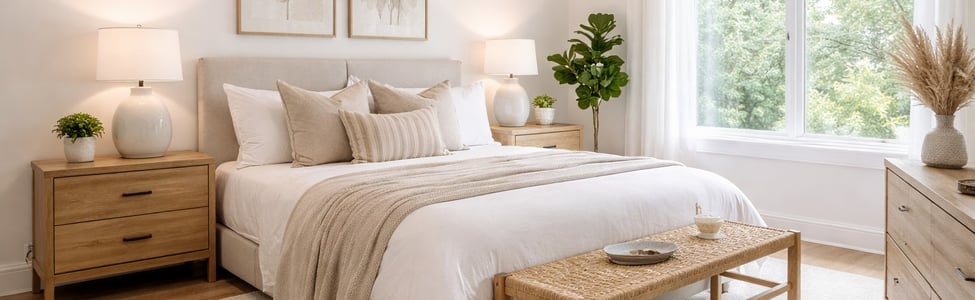
When homeowners think about selling, they often focus on price, timing, and marketing. But one factor that can have a major impact on buyer interest and even sale price is staging.
Home staging is the process of preparing a property so it looks more appealing to buyers. This can involve furniture placement, décor, lighting, decluttering, and styling the home in a way that helps buyers emotionally connect with the space.
Staging is not about making a home look fake. It is about helping the home show at its best.
1. Staging improves first impressions
Most buyers start their search online. That means your home’s first showing often happens through photos, not in person.
If a home looks empty, cluttered, too personal, dark, or awkwardly laid out, buyers may lose interest before they ever book a visit. Staging helps make the home look cleaner, brighter, warmer, and easier to understand.
A strong first impression can lead to more clicks, more showing requests, and more buyer attention.
2. Buyers often struggle to picture space properly
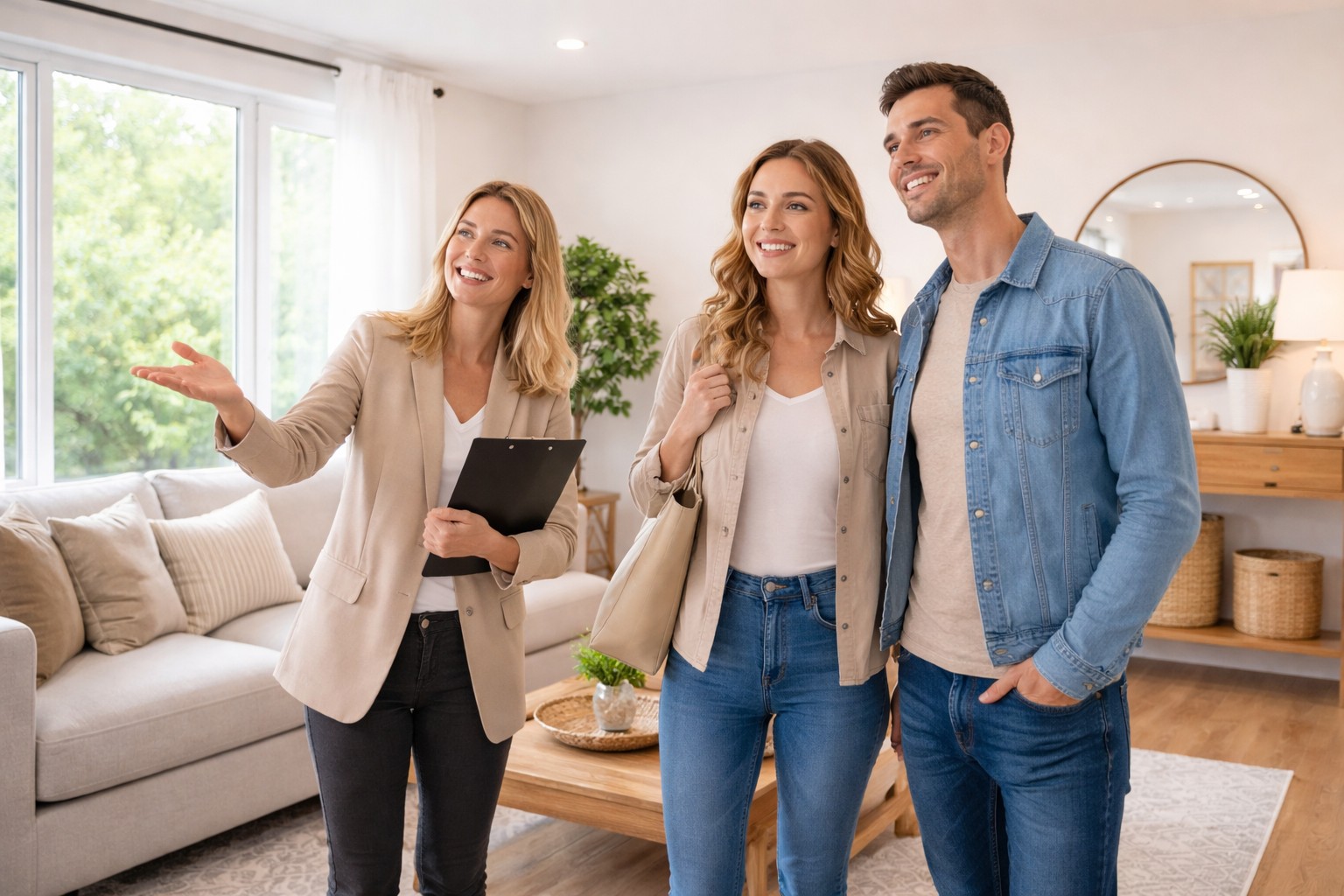
One of the biggest reasons staging works is that many buyers cannot easily visualize how a room should be used.
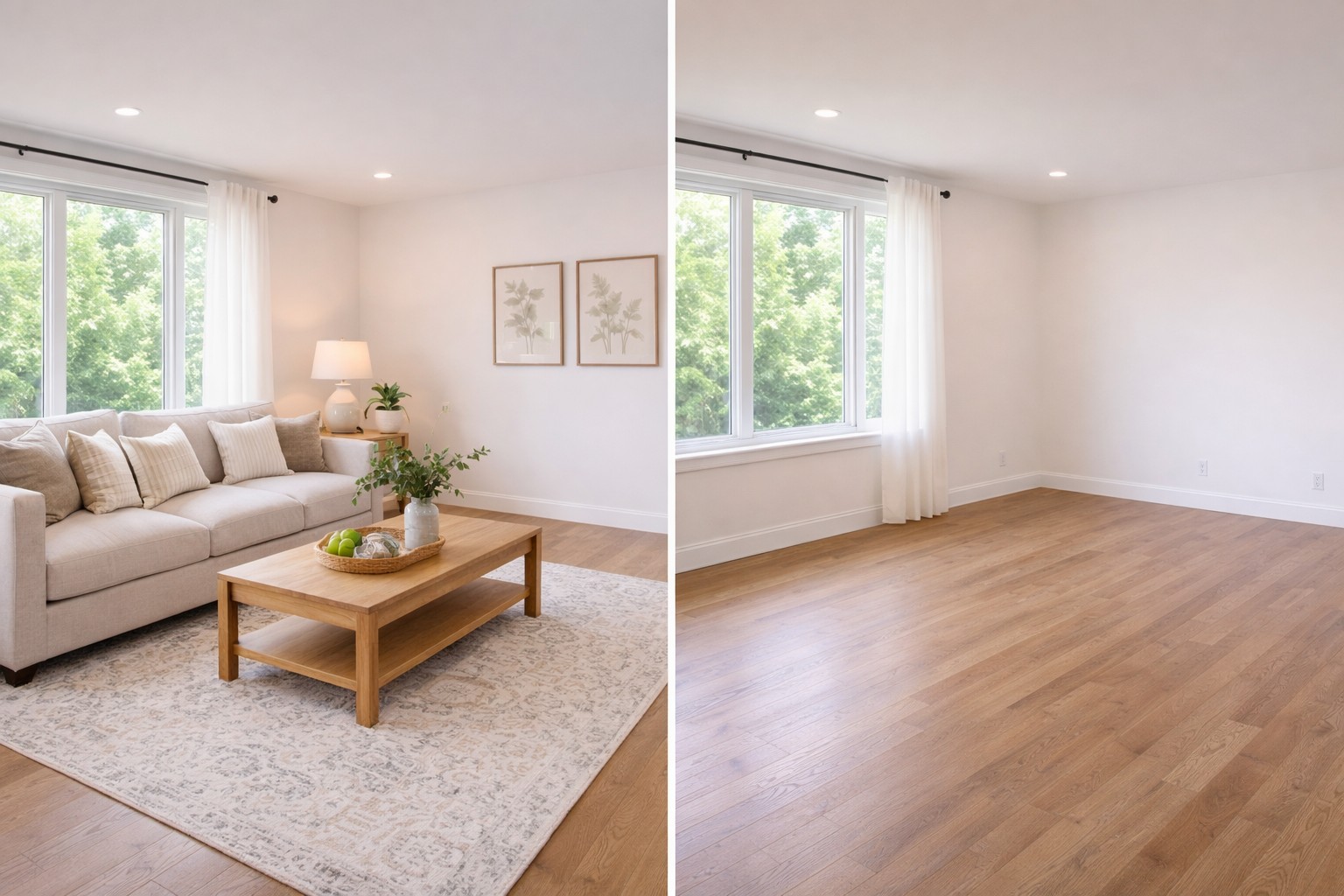
An empty room may look smaller than it actually is. A cluttered room may make the layout feel confusing. A room with oversized furniture may seem cramped.
Staging helps define the purpose of each room and gives buyers a better sense of flow. It helps them understand how they could live in the home.
When buyers can picture themselves in the space, they are more likely to feel connected to the property.
3. Staging helps homes feel more move-in ready
Buyers are often drawn to homes that feel easy, simple, and well cared for.
A staged home often appears more polished and better maintained. Even when staging does not change the actual structure of the home, it changes how the home is experienced.
That emotional effect matters. People do not buy homes based only on numbers. They also buy based on how the home makes them feel.
If a home feels welcoming, balanced, and well presented, buyers may perceive it as more valuable.
4. Better presentation can support stronger offers
Staging does not guarantee a higher sale price by itself, but it can support the conditions that lead to stronger offers.
For example, a well-staged property may:
attract more buyers
create more urgency
stand out better online
photograph more effectively
reduce negative impressions
help justify the asking price more clearly
When more buyers are interested and the home feels more desirable, that can improve the seller’s position during negotiations.
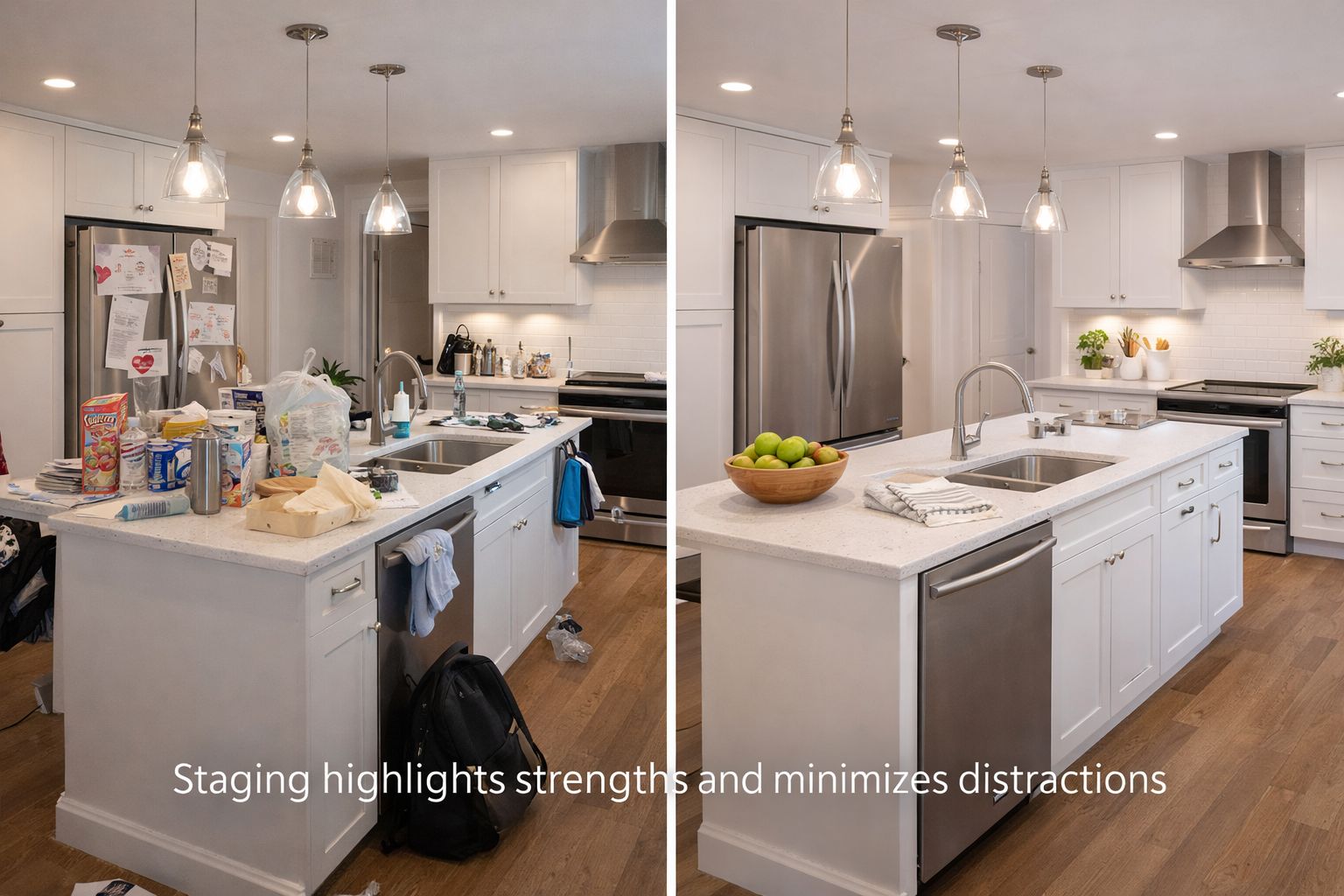
5. Staging highlights strengths and minimizes distractions
Every home has strengths, and staging helps bring attention to them.
Good staging can highlight:
natural light
room size
layout flow
functionality
architectural details
storage potential
lifestyle appeal
At the same time, staging can reduce distractions such as:
too much furniture
overly personal décor
cluttered countertops
awkward room use
empty or cold-looking spaces
The goal is not to hide the home. The goal is to present it clearly and positively.
6. Staging can be especially helpful in competitive markets
When buyers have options, presentation matters even more.
If several similar homes are for sale in the same area, the better-presented home often creates more attention. Even if the homes are similar in size and price, the one that feels cleaner, more stylish, and easier to imagine living in may gain the advantage.
In competitive markets, staging can help a property stand out. In slower markets, it can help prevent the listing from being ignored.
7. Staging is not always about full furniture replacement
Some sellers think staging means fully redecorating the home or bringing in expensive furniture for every room. That is not always necessary.
Staging can be light or full, depending on the property.
Sometimes staging simply means:
decluttering
rearranging furniture
removing personal items
adding simple décor
improving lighting
using neutral bedding and accessories
making rooms feel larger and cleaner
Other times, especially for vacant homes, professional staging may help buyers understand the home better.
The right level of staging depends on the property, the market, and the likely buyer.
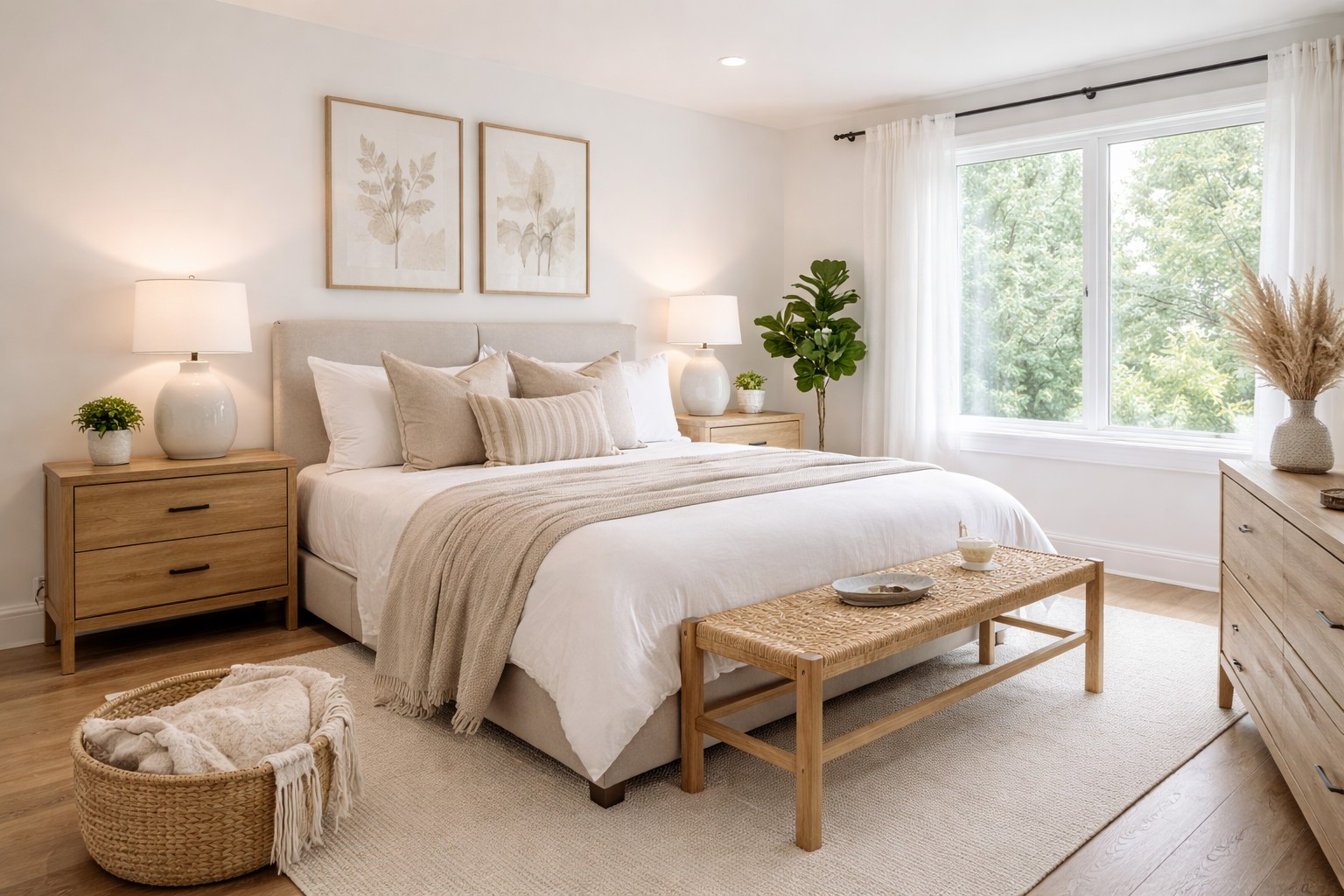
8. Occupied homes can still be staged effectively
A seller does not need to move out for staging to work.
Many occupied homes can be staged using existing furniture with strategic adjustments. This often includes simplifying rooms, reducing excess items, improving flow, and creating a cleaner, more neutral appearance.
Small changes can sometimes create a much stronger showing experience without requiring major expense.
Final thoughts
Staging affects the sale price by improving how buyers see, feel, and respond to the property. It helps the home make a better first impression, attract more attention, and feel more valuable.
It is not magic, and it does not replace proper pricing, strong marketing, or good market strategy. But staging can be a valuable part of the overall selling plan because buyers do not just buy square footage. They buy comfort, confidence, and emotional connection.
When a home looks its best, it has a better chance of standing out, selling faster, and supporting a stronger result.
Disclaimer
This content is for general informational purposes only and does not constitute legal, financial, or real estate advice. Market conditions can change and may vary by area and property type. Readers should conduct their own due diligence and consult licensed professionals before making any real estate decisions.
Aman Khattra is a licensed real estate agent with Royal LePage Platinum Realty, and this content is provided for educational purposes only.

