

Many homeowners preparing to sell ask the same question: should I renovate before listing my home?
The honest answer is that not every renovation is worth doing. Some updates can absolutely help a home sell faster and leave a stronger impression on buyers. Others cost a lot of money and may not give you the return you hoped for.
The goal before selling is not to turn your house into the most luxurious home on the market. The goal is to remove buyer objections, improve the first impression, and make the property feel clean, functional, and move-in ready.
1. Fresh paint is one of the best updates you can make
If there is one update that often makes a big difference without a huge cost, it is paint.
Fresh paint can make a home feel cleaner, brighter, and more cared for. Neutral colors also help buyers picture themselves living in the space more easily.
Old, bold, damaged, or very personalized paint colors can distract buyers. They may start seeing the home as more work than it really is.
A fresh coat of paint is often one of the simplest ways to improve the look of a property quickly.

2. Kitchen improvements can strongly influence buyers
The kitchen is one of the most important rooms in the home when it comes to resale.
This does not always mean you need a full kitchen renovation. In many cases, smaller updates can still make a strong impact:
replacing outdated handles or hardware
updating light fixtures
painting cabinets where appropriate
changing countertops if they are badly worn
improving backsplash
fixing damaged doors, drawers, or trim
replacing old faucets
Buyers pay close attention to kitchens because they know major kitchen work can be expensive. If the kitchen looks clean, functional, and reasonably updated, it can help the entire home feel more appealing.
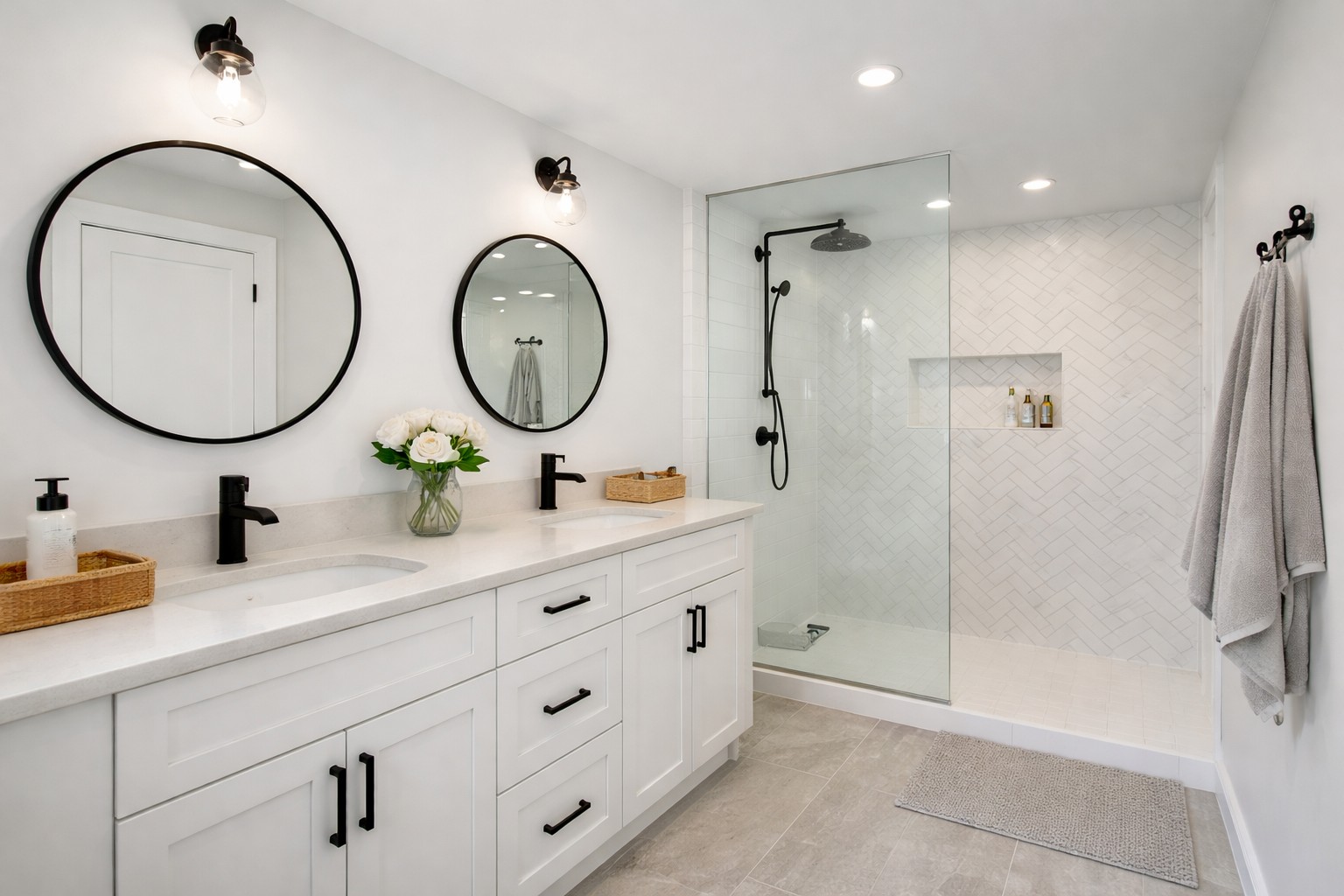
3. Bathrooms should feel clean and modern
Bathrooms matter more than many sellers realize.
An outdated or worn bathroom can make buyers feel the home has not been maintained properly. Again, you may not need a full renovation. Often, small changes can improve the space:
new mirrors
updated lighting
replacing old faucets
fresh caulking
regrouting tile
updating vanity hardware
repairing water damage or stains
deep cleaning everything thoroughly
A bathroom that feels fresh and clean gives buyers more confidence in the home overall.
4. Flooring can change the whole feel of the property
Damaged, heavily worn, stained, or mismatched flooring can hurt a home’s appeal quickly.
Buyers often notice flooring right away. Newer or well-maintained flooring can make a home feel updated and easier to move into. In some cases, replacing old carpet, refinishing hardwood, or improving damaged laminate can create a stronger overall impression.
You do not always need premium materials. Clean, consistent, and presentable flooring often matters more than going overly expensive before listing.
5. Lighting makes a bigger difference than people expect
A dark home often feels smaller, older, and less inviting.
Updating light fixtures, using the right bulbs, opening blinds, and improving room brightness can make the home feel more welcoming. Modern lighting can also help the property photograph better, which is important because buyers usually see the home online before deciding to visit.
A brighter home often feels more positive and better maintained, even without major renovations.

6. Curb appeal helps get buyers through the door
The exterior of the home matters because it creates the first impression before buyers even walk inside.
Simple curb appeal upgrades can help:
tidy landscaping
cut grass and trim hedges
clean the driveway and walkway
paint or refresh the front door
replace old house numbers or exterior lights
repair visible damage
remove clutter from porches and entryways
When the outside looks neglected, buyers may assume the inside has also been neglected. A clean and welcoming exterior helps build confidence from the start.
7. Fixing obvious maintenance issues is often more important than cosmetic upgrades
Some sellers focus on décor but ignore actual issues that make buyers nervous.
Items such as leaking taps, broken handles, cracked tiles, damaged trim, non-working lights, loose railings, peeling caulking, and visible stains can make buyers worry about larger hidden problems.
Before spending heavily on cosmetic updates, it is often smart to deal with the obvious maintenance items first. These repairs may not feel glamorous, but they can remove hesitation and make the home feel much more solid.
8. Do not over-renovate for the area
One of the biggest mistakes sellers make is putting too much money into renovations that do not match the neighborhood or expected price range.
If your home is in an area where buyers are more focused on affordability and practicality, a very high-end renovation may not bring back what you spent. In many cases, clean, tasteful, mid-range improvements make more sense than luxury finishes.
The right approach depends on your home, your competition, your target buyer, and local market expectations.
9. Pre-sale improvements should support the sale, not your personal taste
When renovating for resale, your goal is not to decorate based on your own preferences. It is to make the property appealing to the widest reasonable group of buyers.
That usually means:
neutral tones
simple finishes
practical choices
clean spaces
broadly appealing style
Overly bold or highly customized upgrades can limit buyer interest rather than improve it.
Final thoughts
The best renovations before selling are the ones that improve buyer confidence, reduce objections, and make the home feel ready for the market.
In many cases, that means focusing on:
paint
lighting
flooring
kitchen touch-ups
bathroom improvements
curb appeal
maintenance repairs
You do not always need a major renovation to sell faster. Often, smart and focused updates do more for resale than expensive overhauls. The key is understanding what buyers are likely to notice, what will help the home show better, and what makes financial sense for your property.
Disclaimer
This content is for general informational purposes only and does not constitute legal, financial, or real estate advice. Market conditions can change and may vary by area and property type. Readers should conduct their own due diligence and consult licensed professionals before making any real estate decisions. Aman Khattra is a licensed real estate agent with Royal LePage Platinum Realty, and this content is provided for educational purposes only.

