

Most buyers think mortgage approval is only about income. In reality, banks review five major areas before approving a home loan. Understanding these factors early can strengthen your position and prevent last-minute surprises.
This guide explains exactly what banks look for in mortgage approvals in Canada, with examples and practical tips.
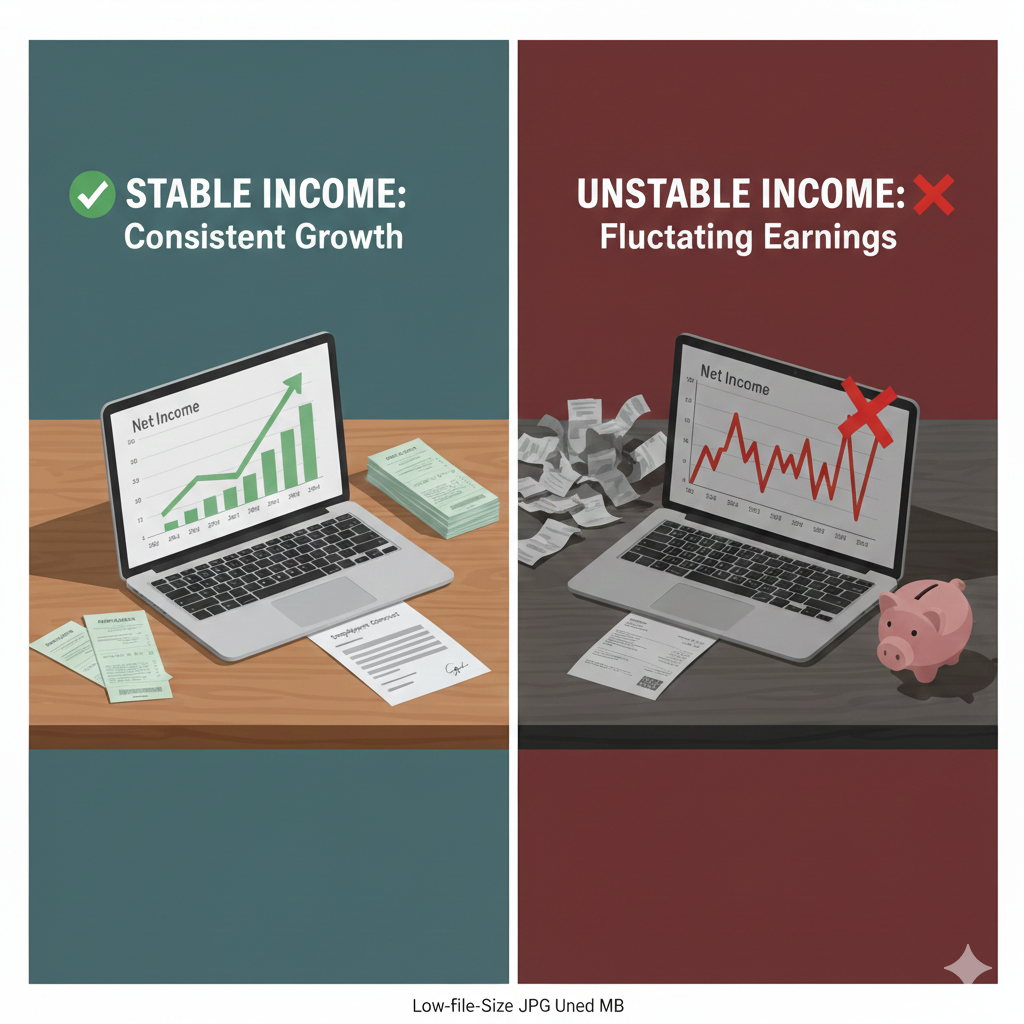
1. Income Stability (Not Just Income Amount)
Banks look at:
Employment type (salaried, hourly, self-employed)
Length of employment
Consistency of earnings
Overtime/bonus history (usually 2-year average)
Example:
If you earn $90,000 but changed jobs three times in one year, a lender may ask for more documentation.
If you earn $75,000 with stable employment for 5 years, that may be viewed as lower risk.
What matters most: predictable income.
2. Debt Ratios (GDS & TDS)
Lenders calculate two key ratios:
Gross Debt Service (GDS)
Measures housing costs (mortgage, taxes, heating, condo fees).
Total Debt Service (TDS)
Includes housing costs plus other debts (car loans, credit cards, student loans).
Typical guideline limits:
GDS: ~39%
TDS: ~44%
Example:
If your monthly income is $6,000:
Maximum housing cost allowed may be around $2,300
Too much consumer debt lowers what you qualify for
Reducing credit card balances can increase mortgage approval power.
3. Credit Score & Credit History
Most lenders prefer:
680+ for strong approval
720+ for best rates
They review:
Payment history
Credit utilization
Length of credit history
Recent credit inquiries
Late payments in the past 6–12 months can impact approval significantly.

4. Down Payment Source
Banks must verify:
Where your down payment came from
90-day bank history
Gift letters (if family gifted funds)
In Canada:
Minimum 5% down required (under $500,000 portion)
20%+ avoids mortgage insurance
Unverified cash deposits may delay approval.

5. Property Type & Risk
Approval is also about the property itself.
Banks assess:
Location
Condo status certificate (if applicable)
Rental income (if basement included)
Market value (via appraisal)
Example:
A home with a legal basement in Ontario may strengthen approval if rental income is allowed to offset debt ratios.
6. Stress Test Qualification
Even if your contract rate is lower, lenders qualify you at the higher of:
Bank of Canada benchmark rate, or
Contract rate + 2%
This ensures you can afford payments if rates increase.
7. Employment Type Differences
Salaried Employee
Simplest approval process.
Self-Employed
Must provide:
2 years tax returns
Notice of Assessments
Business financials
Net income (not gross revenue) is what matters.
8. Red Flags That Delay Approvals
Large unexplained deposits
Recently opened loans
Missed payments
Changing jobs during approval
Buying at maximum qualification limit
Planning ahead avoids these issues.
Simple Approval Scenario Example
Buyer:
Income: $95,000 stable salary
Down payment: 10%
Credit score: 720
Low consumer debt
Result:
Strong approval with a competitive rate.
Buyer:
Income: $110,000
Credit score: 640
High credit card debt
Recent car loan
Result:
Lower qualification amount or higher rate.
Income alone does not determine approval.
Final Thought
Mortgage approval is about risk assessment, not just earnings.
Banks evaluate:
Stability
Debt control
Credit discipline
Down payment strength
Property suitability
Understanding these factors early helps buyers:
Improve approval chances
Avoid rejection
Plan smarter before house shopping

