
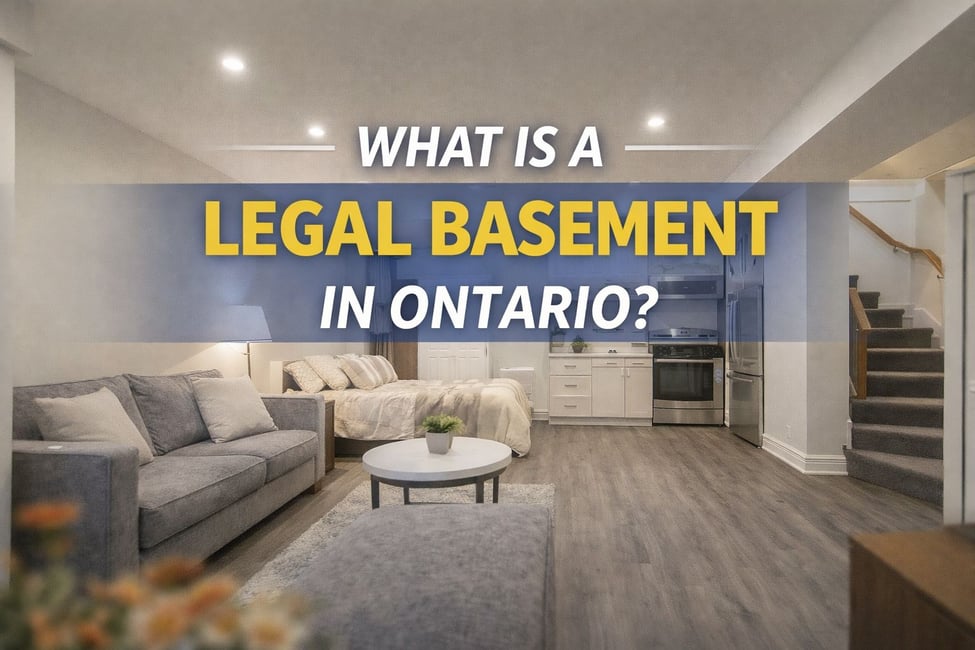
Many buyers in Ontario look for homes with a basement apartment to help with mortgage payments.
But not every basement is legal—and misunderstanding this can lead to serious financial and safety issues.
This guide explains what a legal basement is, how it’s approved, and what buyers should check before purchasing.
What Is a Legal Basement?
A legal basement (also called a secondary dwelling unit) is a basement apartment that has been approved by the municipality and meets Ontario Building Code, Fire Code, and zoning requirements.
A legal basement is:
Registered or permitted by the city
Built to safety standards
Allowed to be rented legally
An illegal basement may look finished and livable, but it does not meet legal or safety requirements.
Why Legal Basements Matter for Buyers
Legal basements are important because they:
Provide reliable rental income
Reduce insurance and liability risks
Are safer for occupants
Increase resale value
Avoid future enforcement or fines
Banks and insurers also view legal basements more favorably.
Legal vs Illegal Basement: Key Differences
| Legal Basement | Illegal Basement |
|---|---|
| City-approved | Not registered |
| Fire & safety compliant | Safety risks |
| Can be rented legally | Rental risk |
| Better insurance coverage | Insurance may be void |
| Higher resale value | Buyer hesitation later |
Requirements for a Legal Basement in Ontario
Exact rules vary by city, but most legal basements must meet the following:
1. Zoning Approval
The property must be zoned to allow a second unit.
Some older homes or small lots may not qualify.
2. Separate Entrance
Independent access
Proper stair dimensions
Safe exit path
3. Ceiling Height
Typically minimum ~6’5”–6’11” (varies by municipality)
4. Fire Safety Standards
Fire-rated drywall
Smoke & carbon monoxide alarms
Fire separation between units
Sometimes interconnected alarms
5. Egress Windows
Large enough for emergency exit
Required in bedrooms
Must meet specific size and height rules
6. Parking Requirements
Some cities require additional parking
Others waive it based on transit access
7. Separate Kitchen & Bathroom
Full kitchen with sink, cooking area
Dedicated bathroom facilities
Is a “Finished Basement” Automatically Legal?
❌ No
A basement can be:
Fully finished
Rented out
Generating income
…and still be illegal.
Only city permits and inspections make it legal.
How Buyers Can Check If a Basement Is Legal
Before buying, buyers should:
Ask for permits or registration documents
Check city records
Review MLS remarks carefully
Add a condition or clause in the offer
Verify with a lawyer or city department
Never rely only on verbal confirmation.
Can You Legalize a Basement After Buying?
Yes—in many cases.
Typical cost range:
$40,000–$80,000+ depending on:
Fire separation
Windows
Ceiling height
Plumbing & electrical upgrades
Some homes cannot be legalized due to zoning or structural limits.
Does a Legal Basement Increase Home Value?
Yes, usually:
Better buyer demand
Strong rental appeal
Easier resale
More financing flexibility
However, value depends on layout, quality, and location.
Who Should Look for a Legal Basement?
First-time buyers needing rental help
Multi-generational families
Investors seeking stable income
Move-up buyers offsetting higher payments
Final Thought
A legal basement is not just about income—it’s about safety, compliance, and long-term protection.
Understanding the difference before buying can save tens of thousands of dollars and future headaches.

